Exclusive Tours
Historically, travel is always been synonymous with luxury, in the beginning it was first class tickets on ships, then it was access to commercial air travel. Today, luxury travelers seeking simplicity, are after the best and most meaningful travel experience possible, and they have the motivation to go elsewhere if they aren’t getting it. From start to finish, time is precious, and the assurance that every single one of their needs will be taken care of. For a luxury traveller, a perfectly executed itinerary with exclusive and memorable experiences is preferential for convenient.
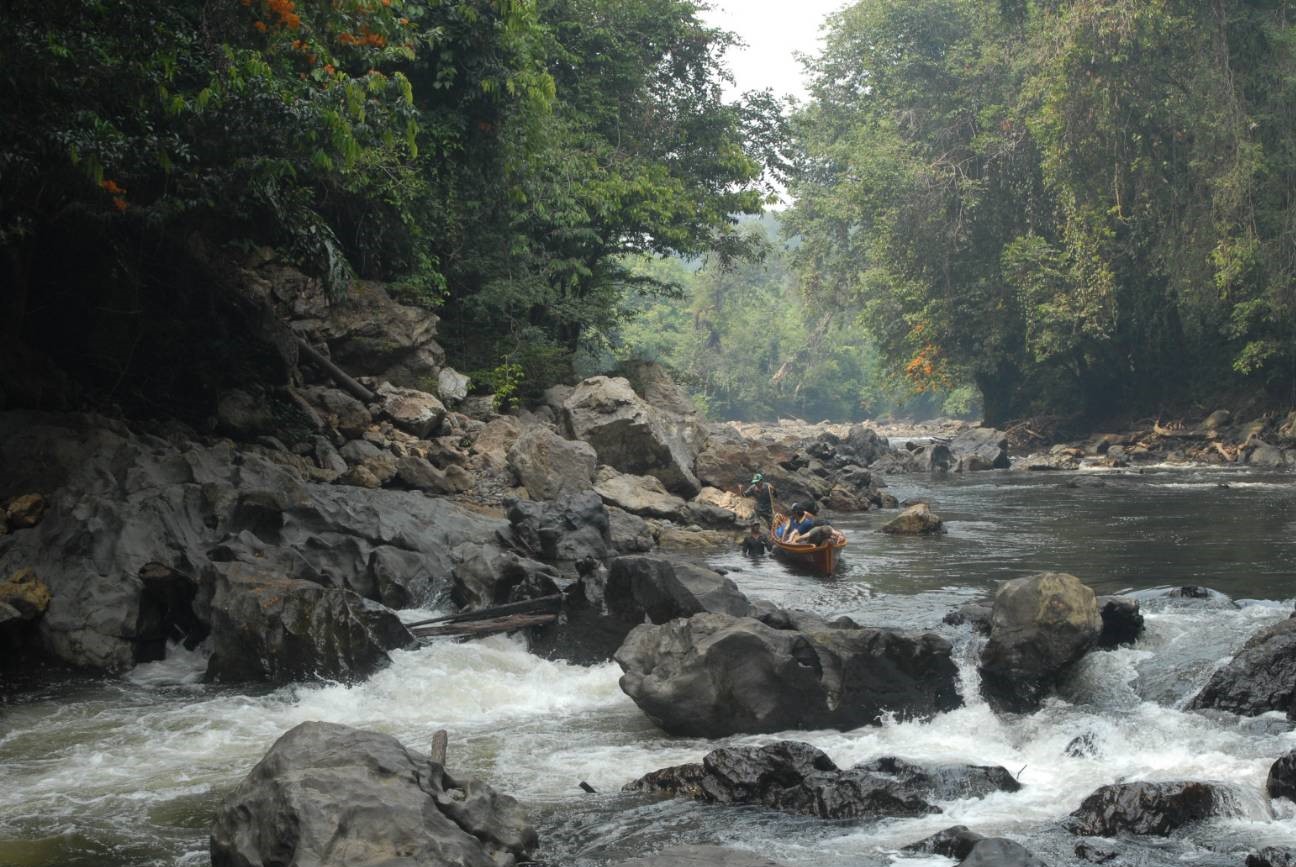
The Indonesian part of Borneo is called “Kalimantan” containing some of the richest flora and fauna in the world. Until today connections to the hinterland of Borneo, as the Dayak tribe territory is still among the most inaccessible on earth. Our Tours and Trips are made out of more then 30 years experience to the most remote locations at the Island and are the best eco-tours collections and dream journeys that reflect the authentic Dayak Culture heritage which colide with the luxuriant Rain Forest of tall trees and herbaceous food for its wildlife creatures, as particular places, to enjoy the memorable experiences at Kalimantan.
Borneo ExclusiveOrangutan Jungle
Private Island Beach Resort
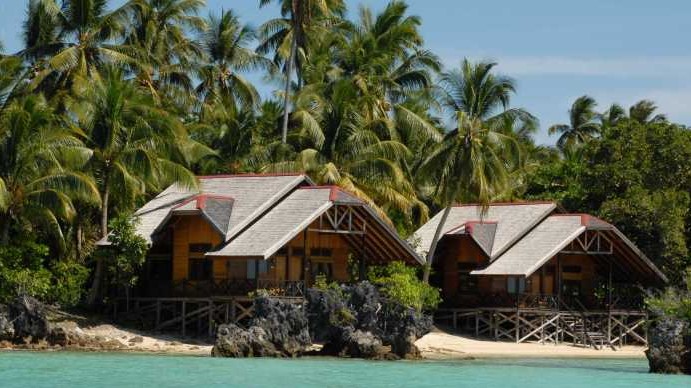
On the west side of East Kalimantan, The Indonesian Part of the world’s third largest island, called "Borneo", you can find the truly wild Black Bornean Orangutan or Pongo pygmaeus morio at Kutai National Park, little further north a clear blue lagoon of paradise await you. The Nabucco Private Island Resort is one of the exclusive dive resorts at Kalimantan.
| Item | Description | Detail |
|---|
| Tour | Kutai Park
Beach Resort | Remote |
| Duration | 09 Days / 08 Nights | max. 7 persons |
| Person Rate | Start From | USD 11.600 |
|
Borneo ExclusiveMahakam River Cruise
Private Island Beach Resort
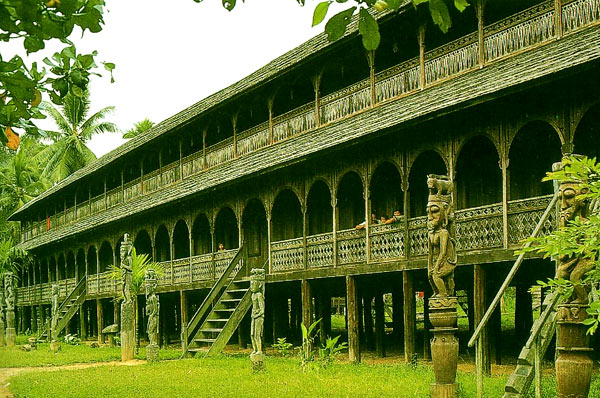
A Luxury private Cruise at the Mahakam River as a highway in to the Kalimantan 's hinterland to meet the indigenous Dayak tribes at their longhouse in to the deep interior of Borneo Island. The Nabucco Resort cosy wooden bungalows have a panoramic view over the blue lagoon sea at a private bounty paradise white palm beach
| Item | Description | Detail |
|---|
| Tour | Mahakam Cruise
Beach Resort | Remote |
| Duration | 10 Days / 09 Nights | max. 7 persons |
| Person Rate | Start From | USD 13.500 |
|
Borneo ExclusiveUpper Mahakam River Jungle
Private Island Beach Resort
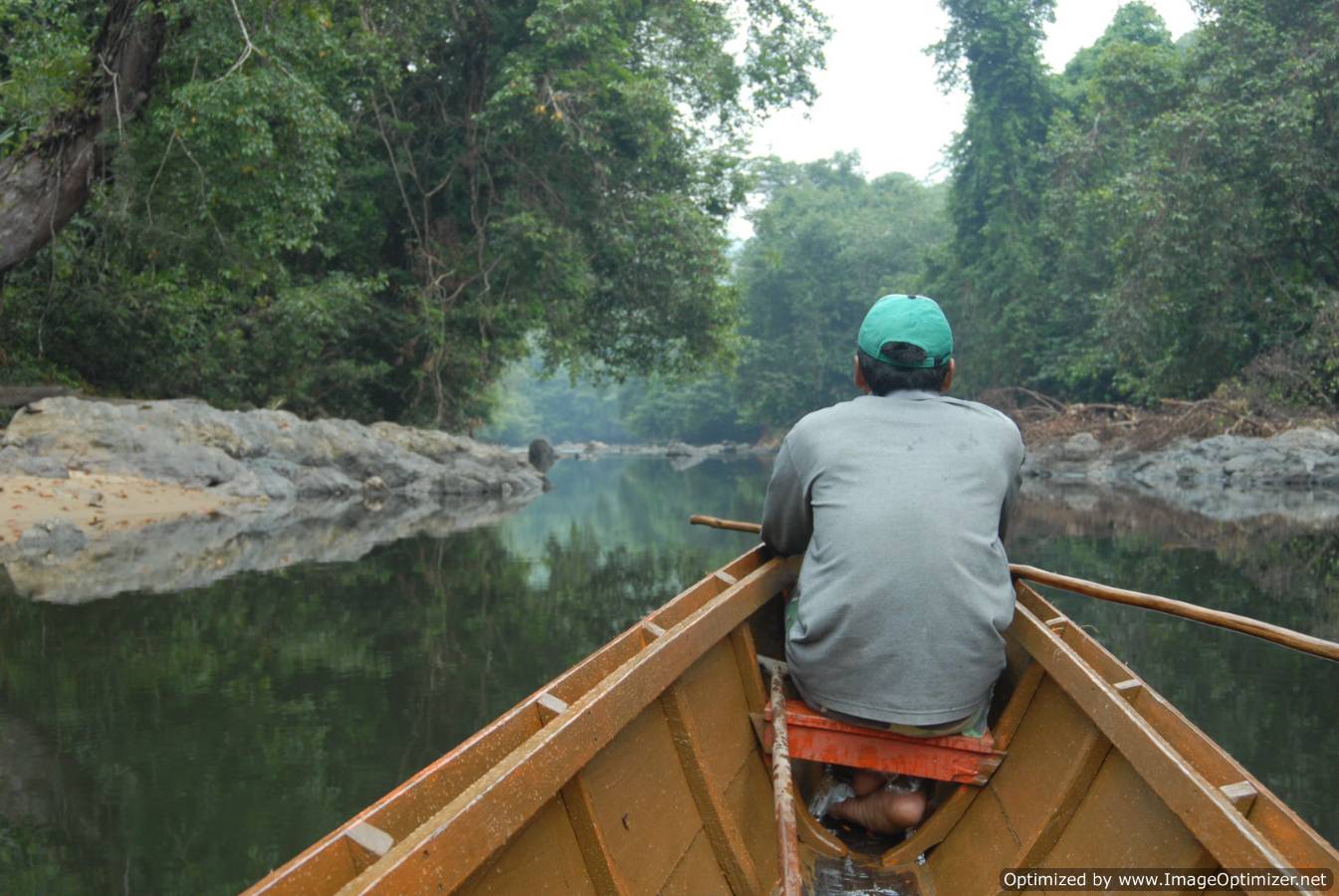
The upper Mahakam River at the Müller Range, has several small mountain villages along the river, besides several longboats there is no traffic here. The Dayak at the Upper-Mahakam mainly live from hunting and gold penny. From your cottage at Nabucco Island at the beach you are just a few steps away for swimming or snorkelling the crystal clear sea
| Item | Description | Detail |
|---|
| Tour | Mahakam Jungle
Beach Resort | Remote |
| Duration | 12 Days / 11 Nights | max. 7 persons |
| Person Rate | Start From | USD 21.600 |
|
Borneo ExclusiveKayan Mentarang Rain Forest
Private Island Beach Resort
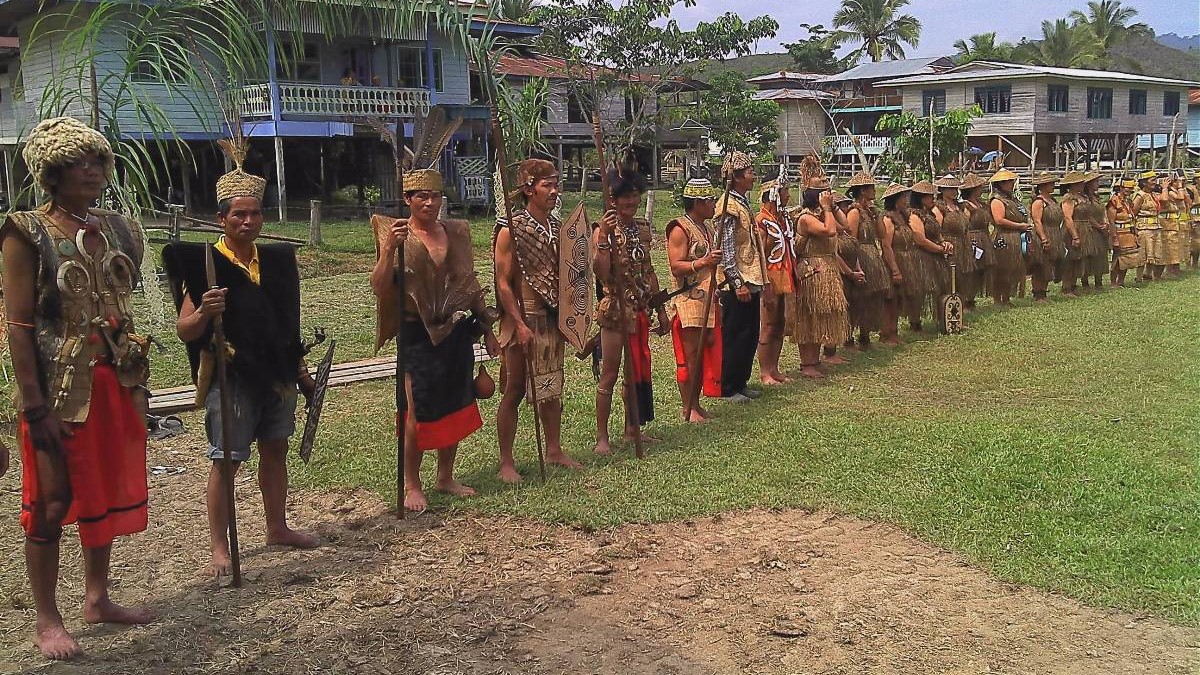
Trek through the primary Rainforest of Kayan Mentarang National Park isolated area of the traditional Dayak Kenyah and Punan tribes, explore their art full traditional way of life in the dense jungle, from hunting to dry rice farming. The Nabucco Island Resort is an exclusive private island resort in the atol of Maratua Island, surrounded by coral reefs, white palm beaches crystal clear blue lagoon sea
| Item | Description | Detail |
|---|
| Tour | Kayan Mentarang
Beach Resort | Remote |
| Duration | 10 Days / 09 Nights | max. 7 persons |
| Person Rate | Start From | USD 23.300 |
|
Borneo ExclusiveKrayan Highlands
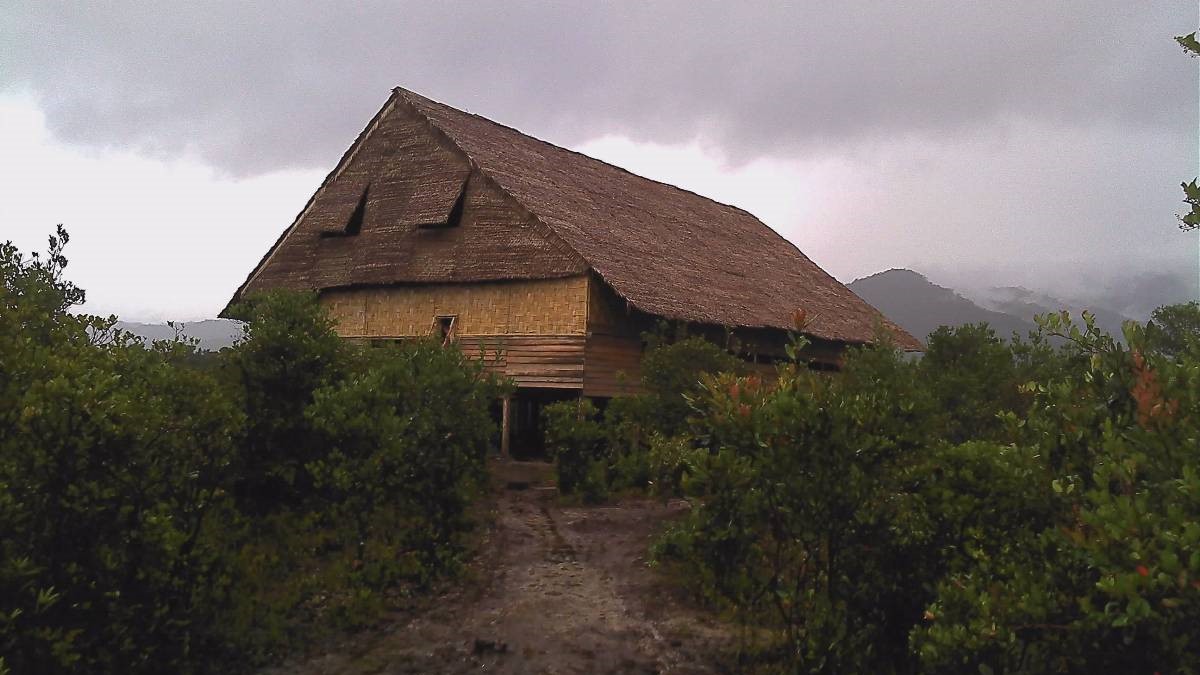
Krayan Highland Plateau is an Isolated area in the north part of Kalimantan, bordering with Sabah. The flora in it’s vicinity of Kayan Mentarang Nature Reserve as a protected Cloud Rain Forest area is more then thousand years old. However, another interesting attraction are the cultural treasures in the villages of the native Dayak people at the slopes and sandstone valleys covered by rainforest.
| Item | Description | Detail |
|---|
| Tour | Krayan Highlands | Remote |
| Duration | 8 Days / 7 Nights | max. 7 persons |
| Person Rate | Start From | USD 10.180 |
|
Borneo ExclusiveBorneo Treasuries
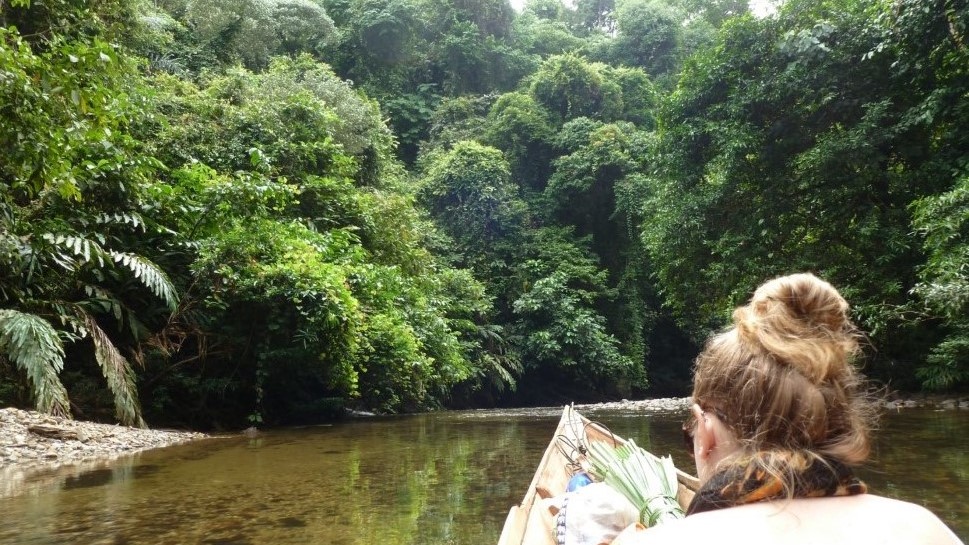
Kalimantan’s dense jungles terrain can be found at the upper parts of the Rivers at Kalimantan Island, also called "the heart of Borneo". The remote jungle area's have traditionally kept the region isolated from all but the most adventurous travelers, and is providing Adventure travelers the tour of their dreams, off the beaten path in search of endangered culture, flora and fauna for the nature lover.
| Item | Description | Detail |
|---|
| Tour | Borneo Treasures | Remote |
| Duration | 15 Days / 14 Nights | max. 7 persons |
| Person Rate | Start From | USD 31.890 |
|